Cross-Species Test Sites
Investigating relationships between humans and non-human urban inhabitants through multispecies interfaces, bio-receptive materials, and physical prototypes.
← Back to TeachingFall 2019
A4863 · Selected student projects
Good Fences Make Good Neighbors
Student project by Xin Qin · Fall 2019
Cross-Species Test Sites

Project film
Student project by Jules Kleitmann · Fall 2019
Spring 2019
A4863-1 · Selected student projects
Seahorse Exchange
Student project by Michael Alexander Mc Dowell · Spring 2019
Cross-Species Test Sites
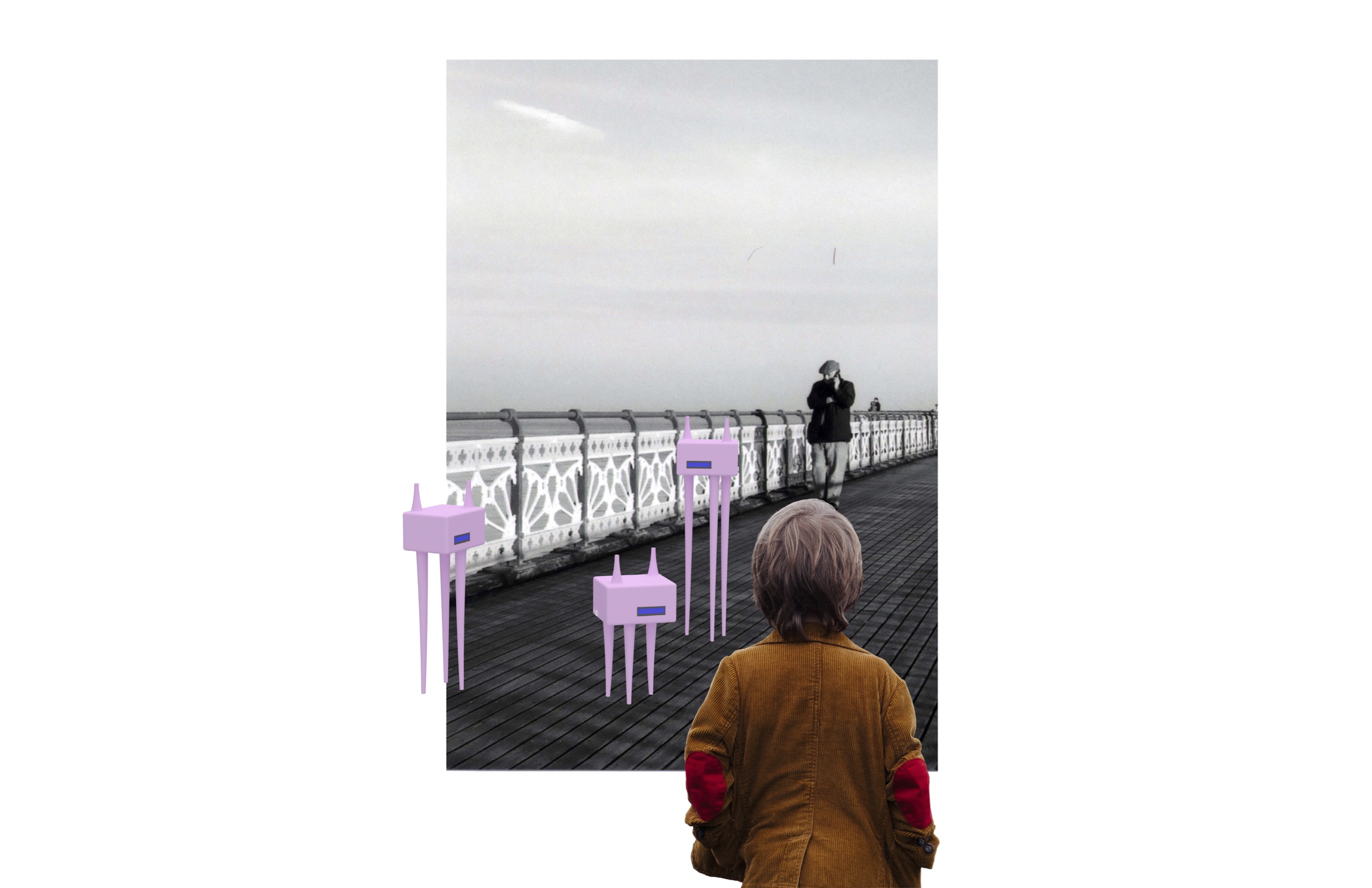
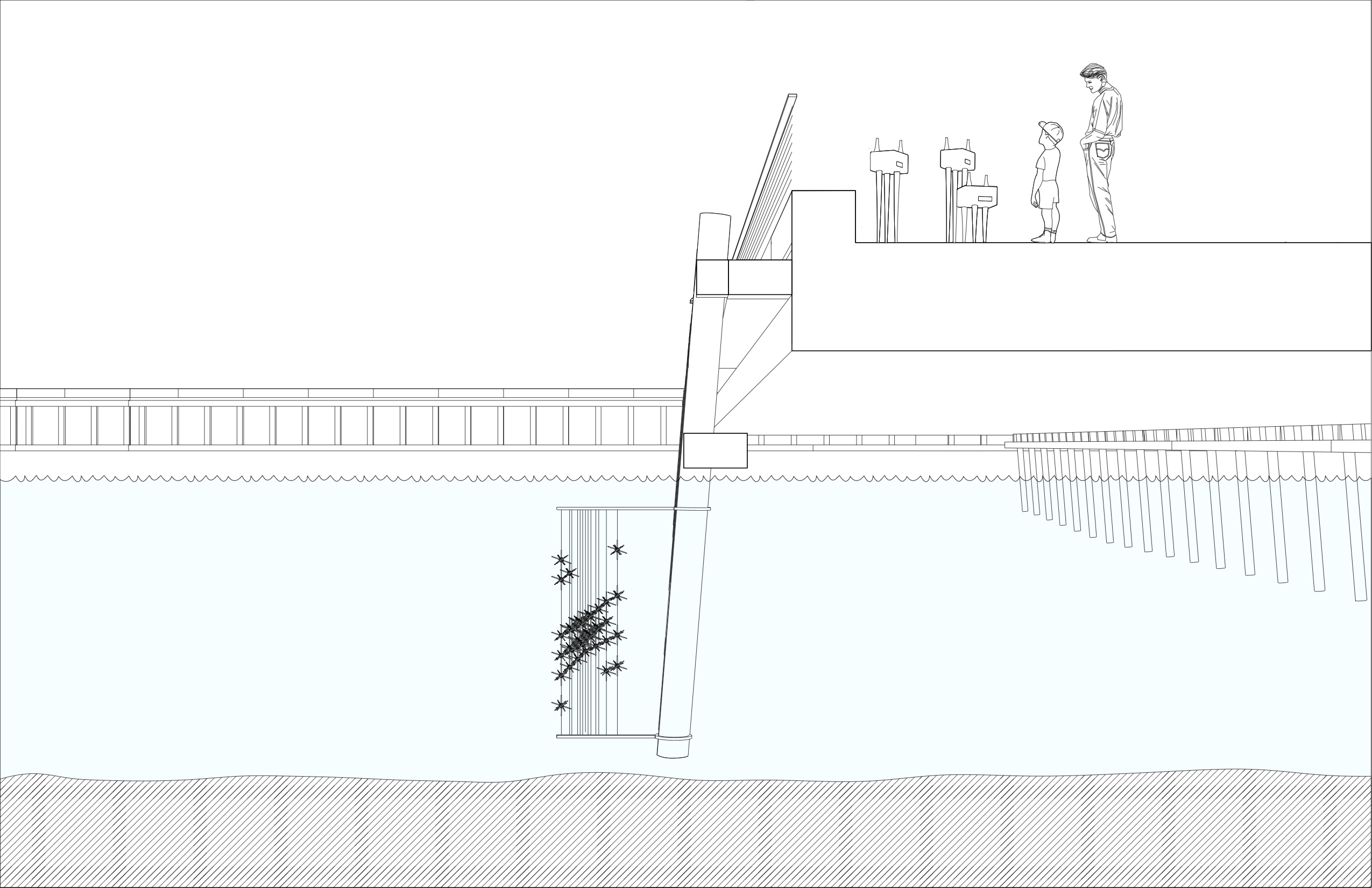
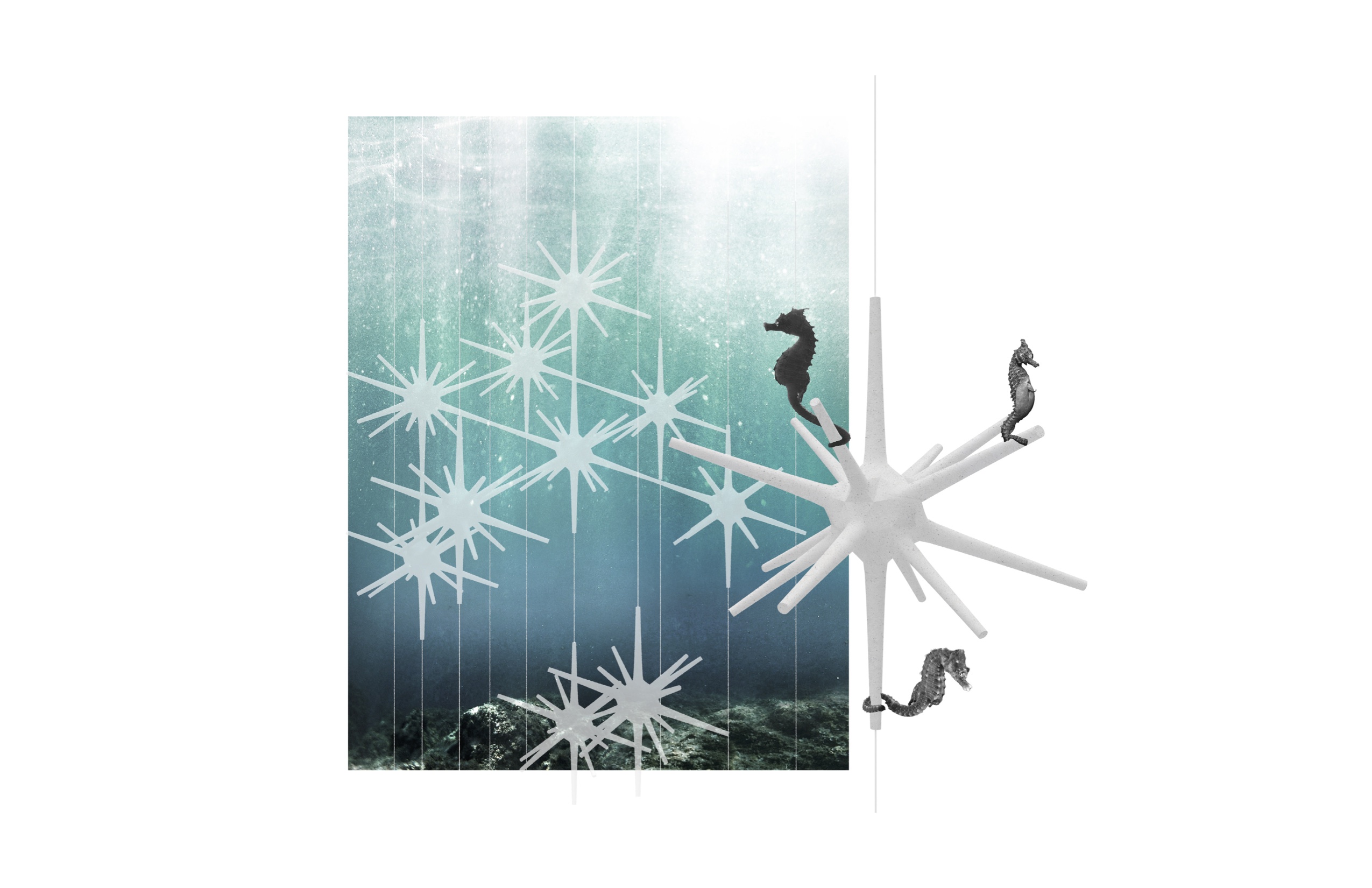
A waterfront proposal connecting public space above the water with structures for seahorses below. Collages and a section drawing explore the relationship between shoreline visitors and submerged habitat.
Ratelier
Student project by Matteo Cordera · Spring 2019
Cross-Species Test Sites
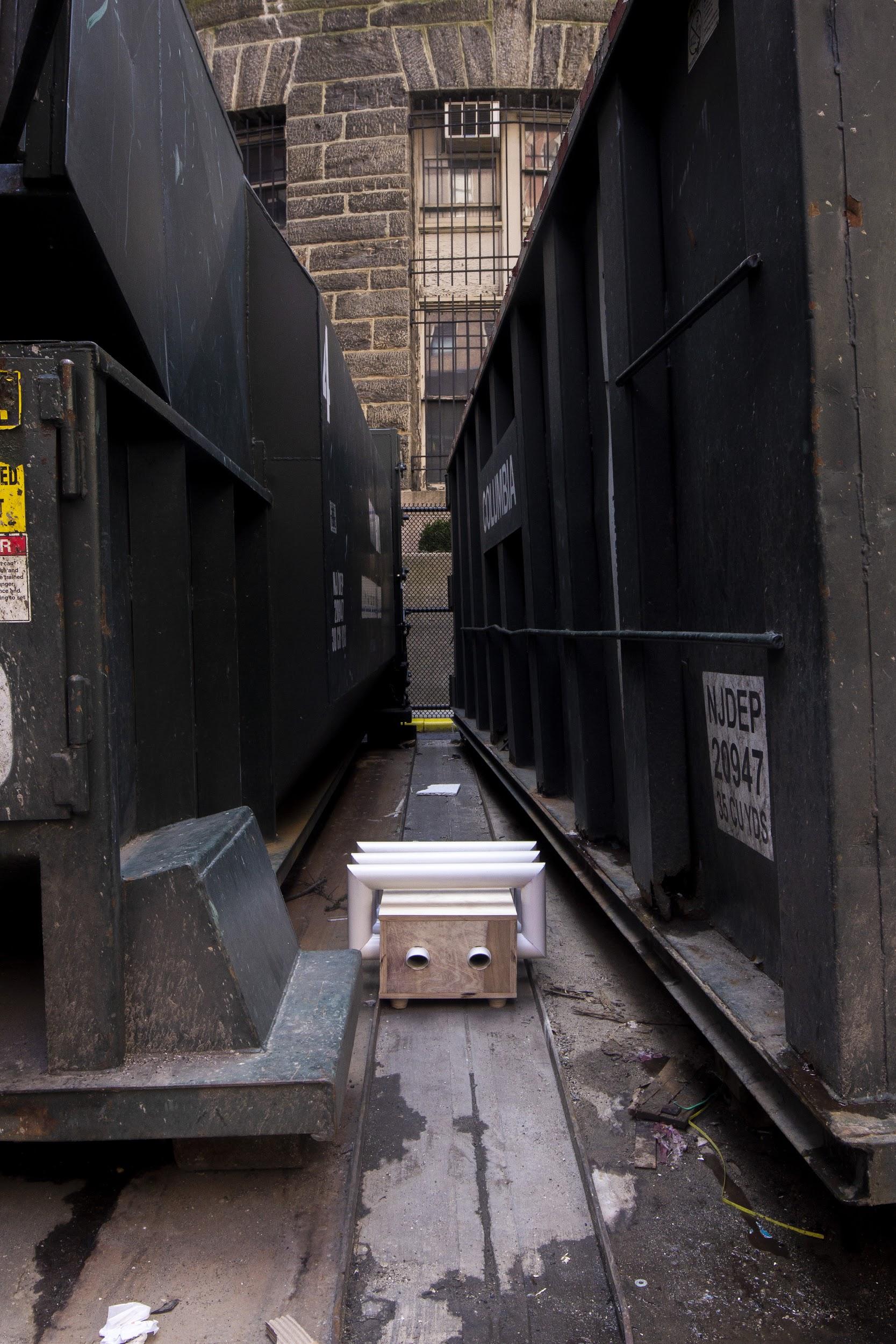
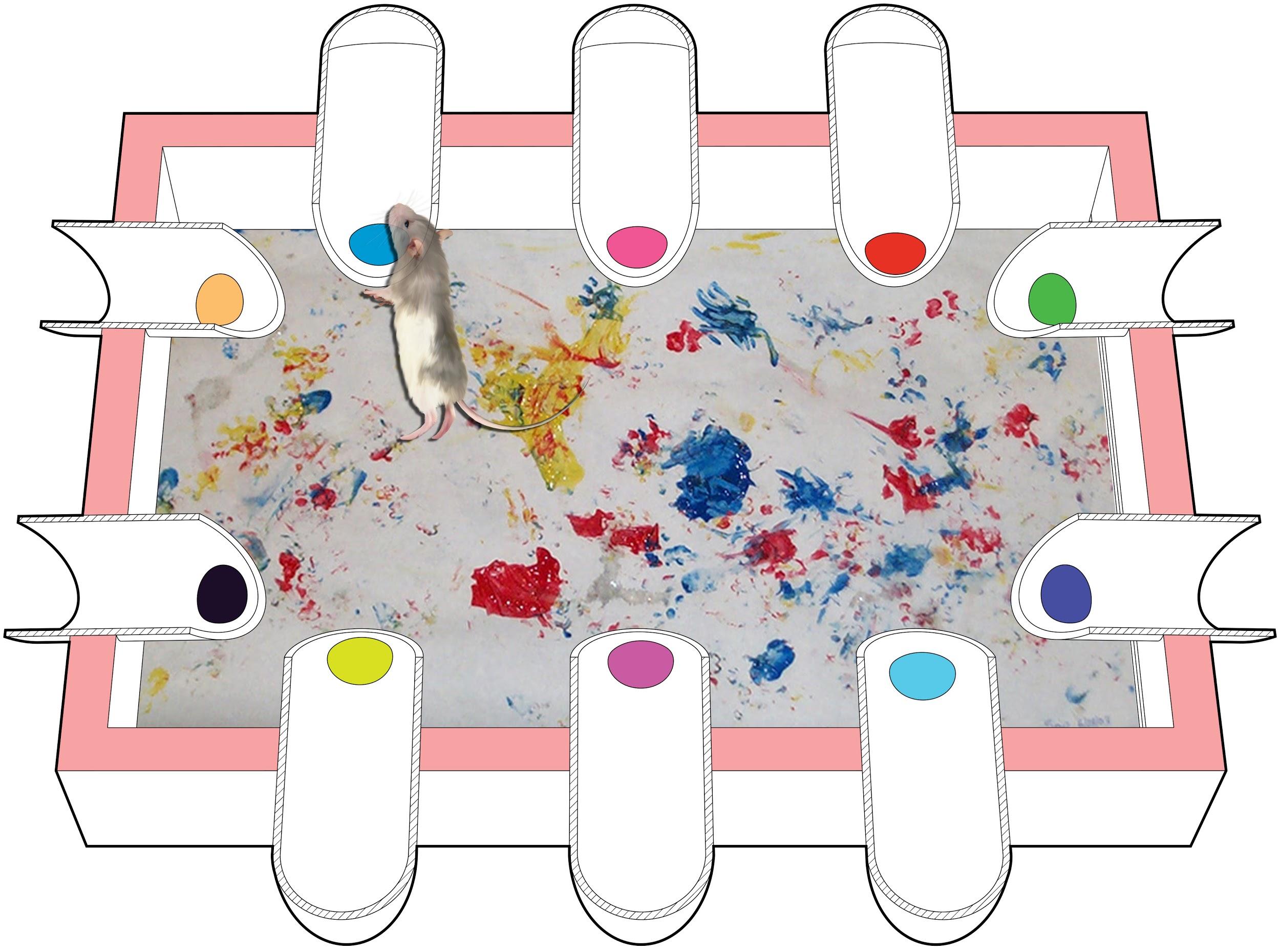
A prototype situated in an urban alley, paired with a concept diagram exploring rats, pigment and mark-making.
Soilcell3000
Student project by Julia Pyszkowski · Spring 2019
Cross-Species Test Sites
Raptor Vending Machine
Student project by Michael Lu · Spring 2019
Cross-Species Test Sites
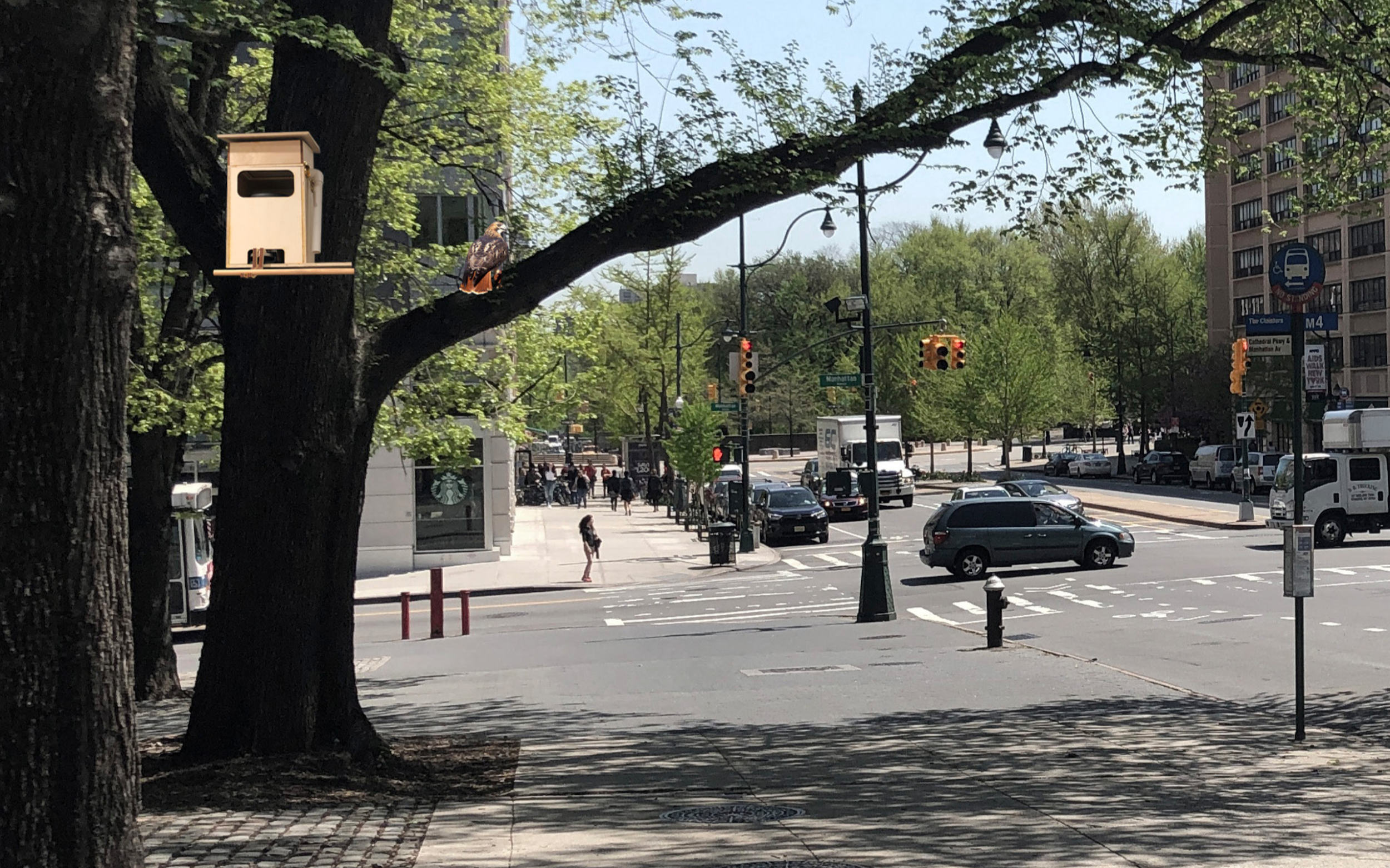
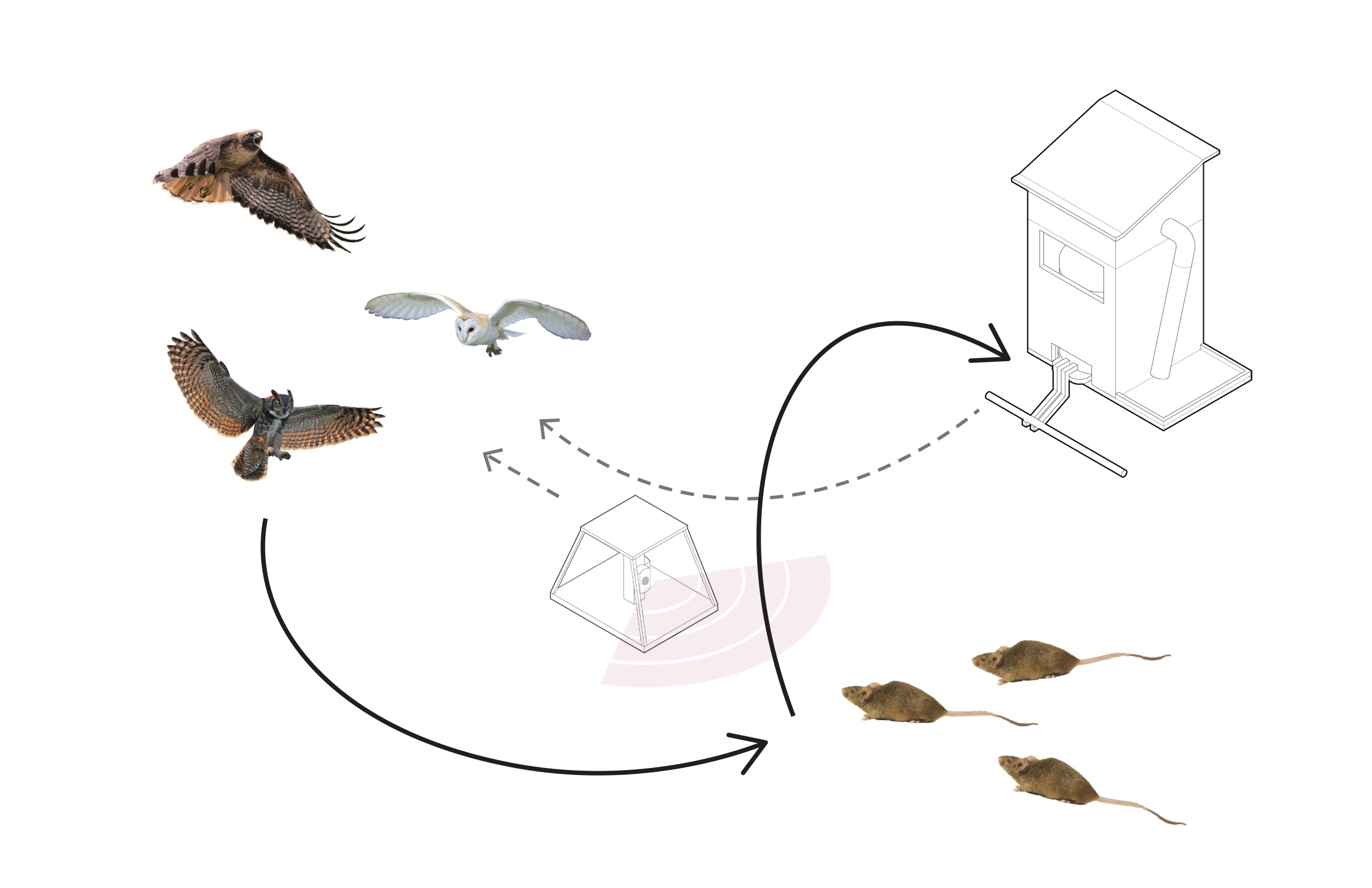
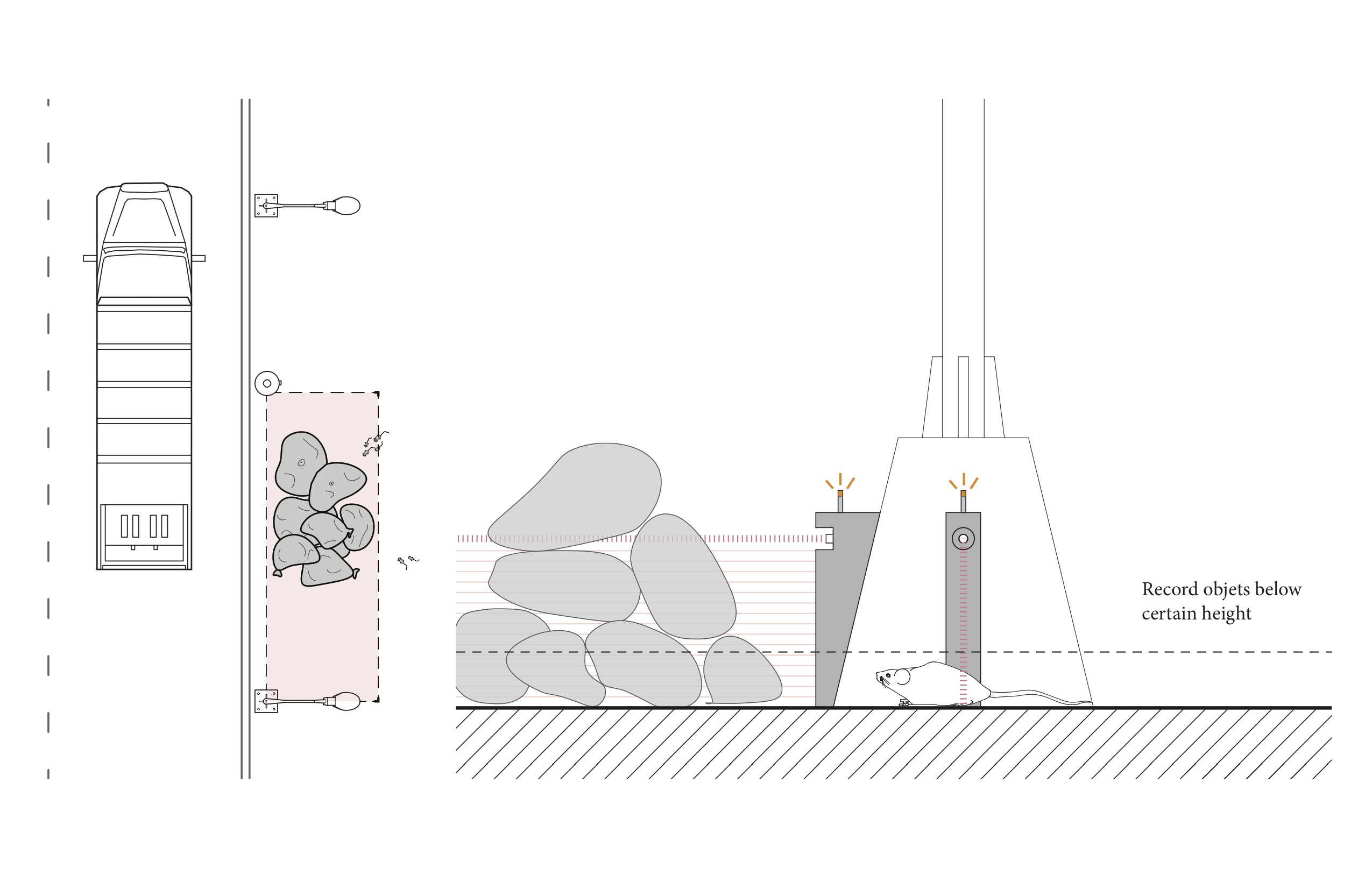
A device exploring relationships between birds of prey and urban rodents. A site photograph, relationship diagram and section document the design proposal.
More student projects · Spring 2019
Recolonizing
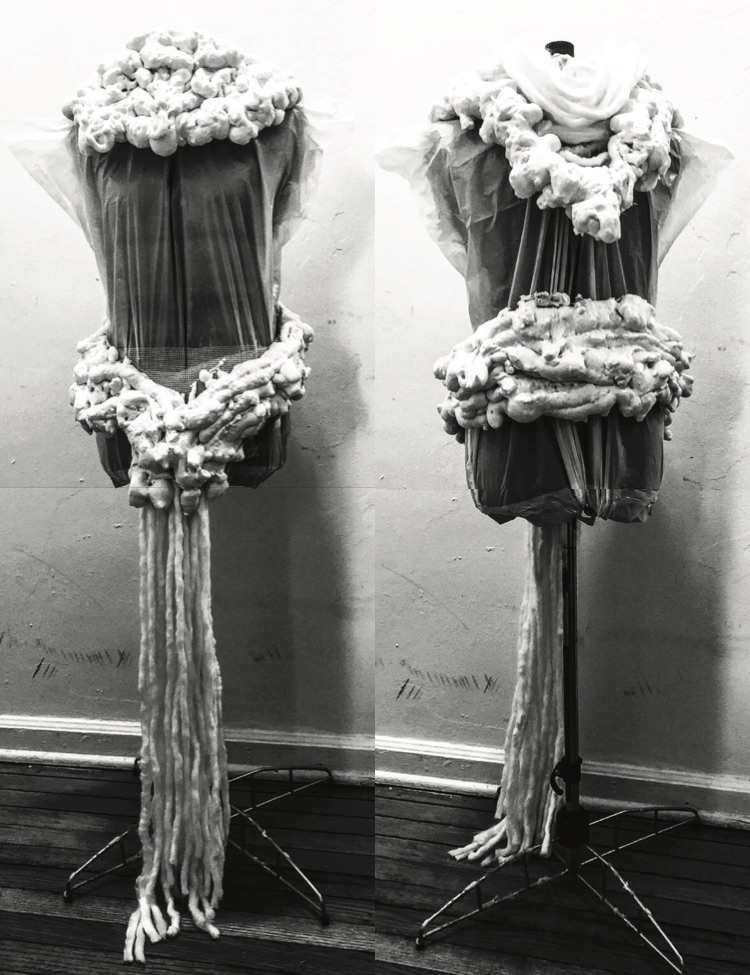
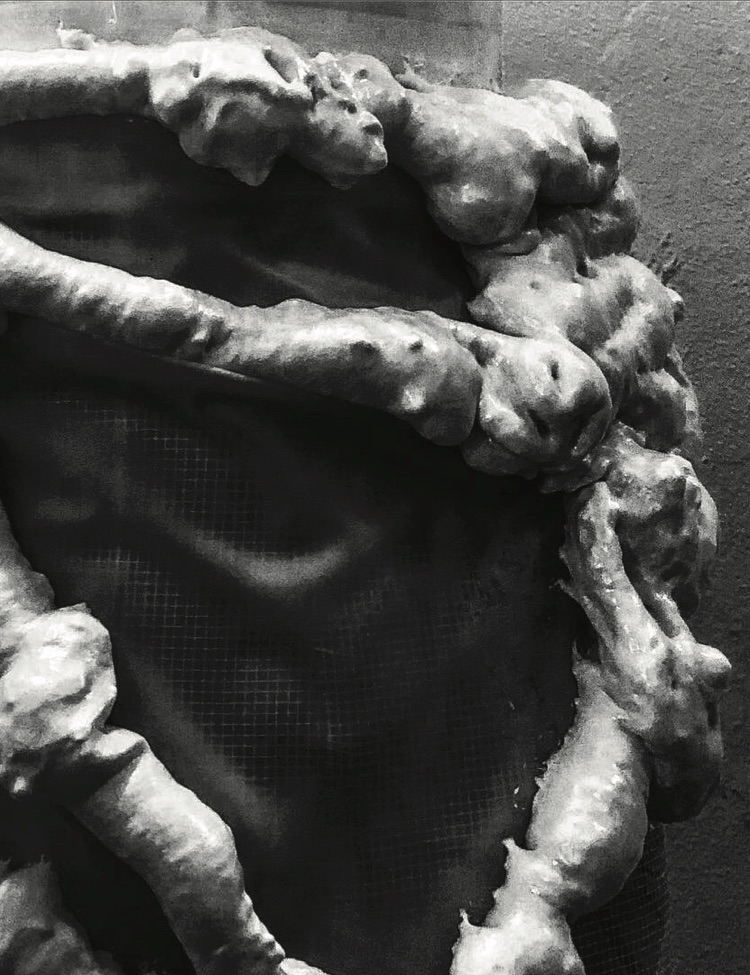
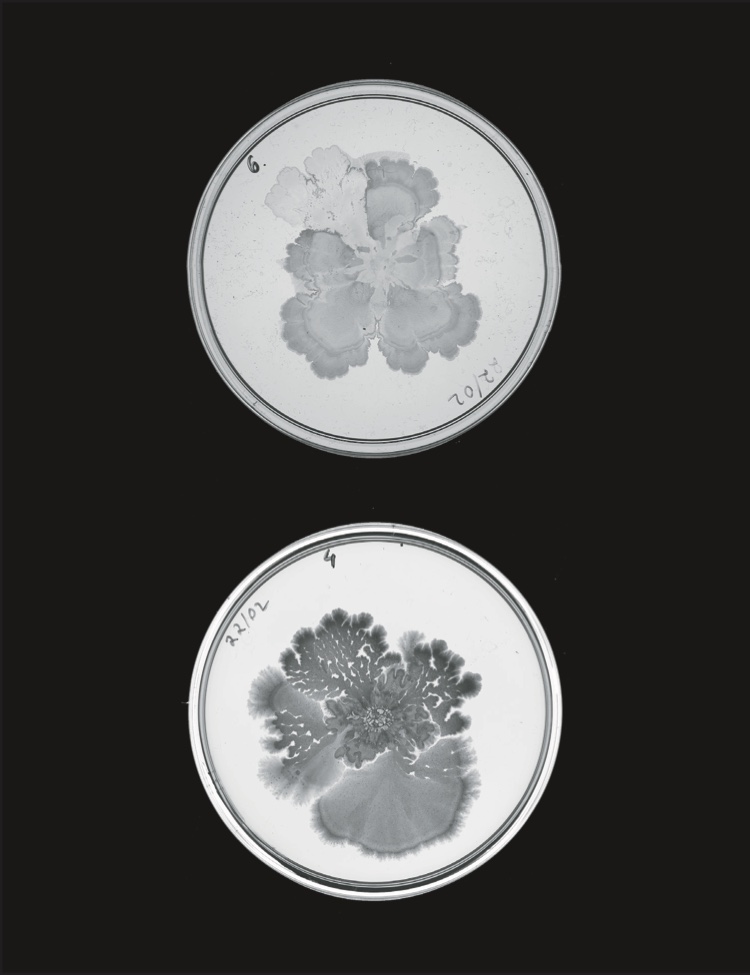
Student project by Sadie Dempsey · Spring 2019
Cross-Species Test Sites
Course outline
This course investigates the complex relationships between humans and non-human urban inhabitants. Students study urban animal wildlife, indicator species, and microbial communities and work with biologists and ecologists to identify new potentials in designing for biological systems. Through the process of fabricating, situating and testing prototypes, we aim to create a reflective space for deeply considering the details of these new interactions, and to discover unforeseen opportunities, twists and challenges. Project outcomes are physical devices in the form of multispecies interfaces, bio-receptive materials, and infrastructure modifications that propose new multispecies collaborations across all scales.
Goals
- Study relationships between human and non-human urban inhabitants.
- Fabricate, situate and test prototypes for biological systems.
- Use design iteration to reflect on multispecies interactions and collaboration.